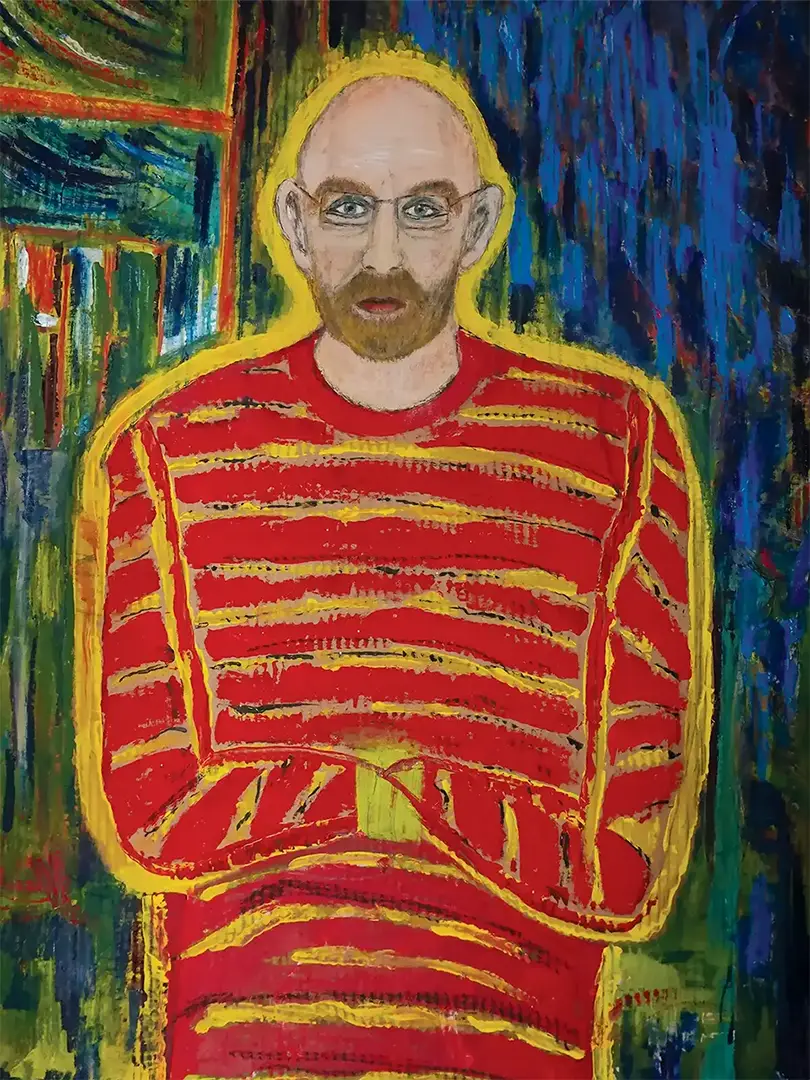
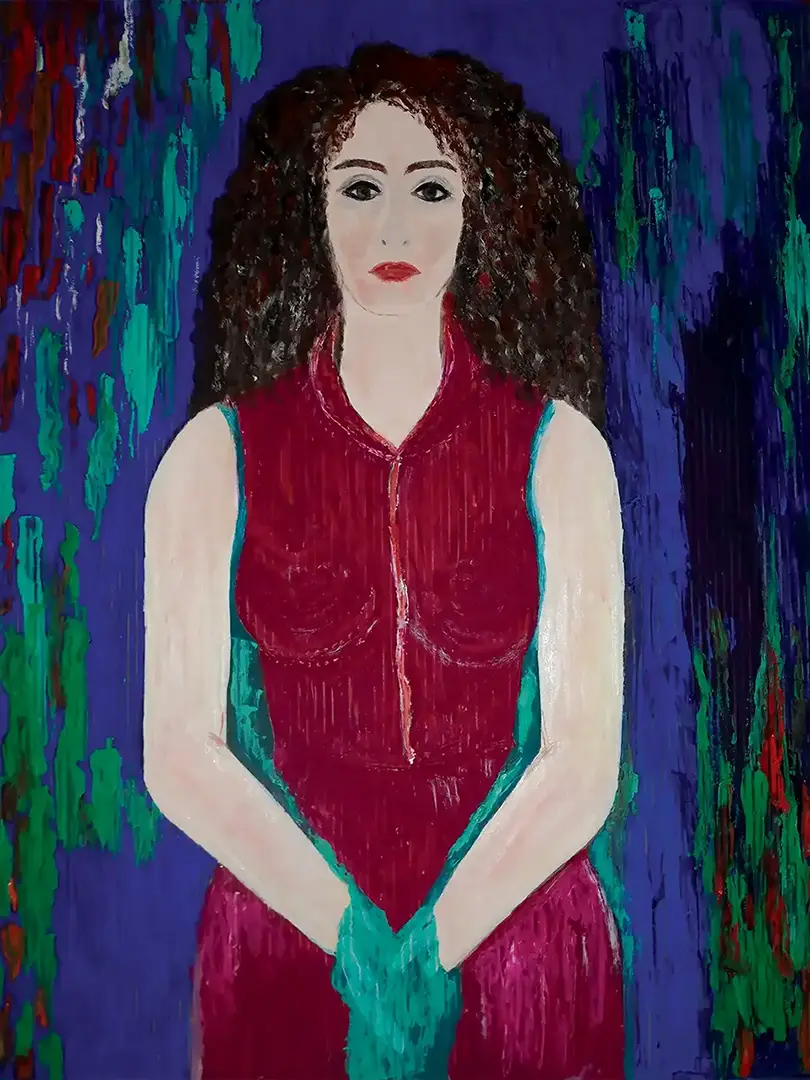
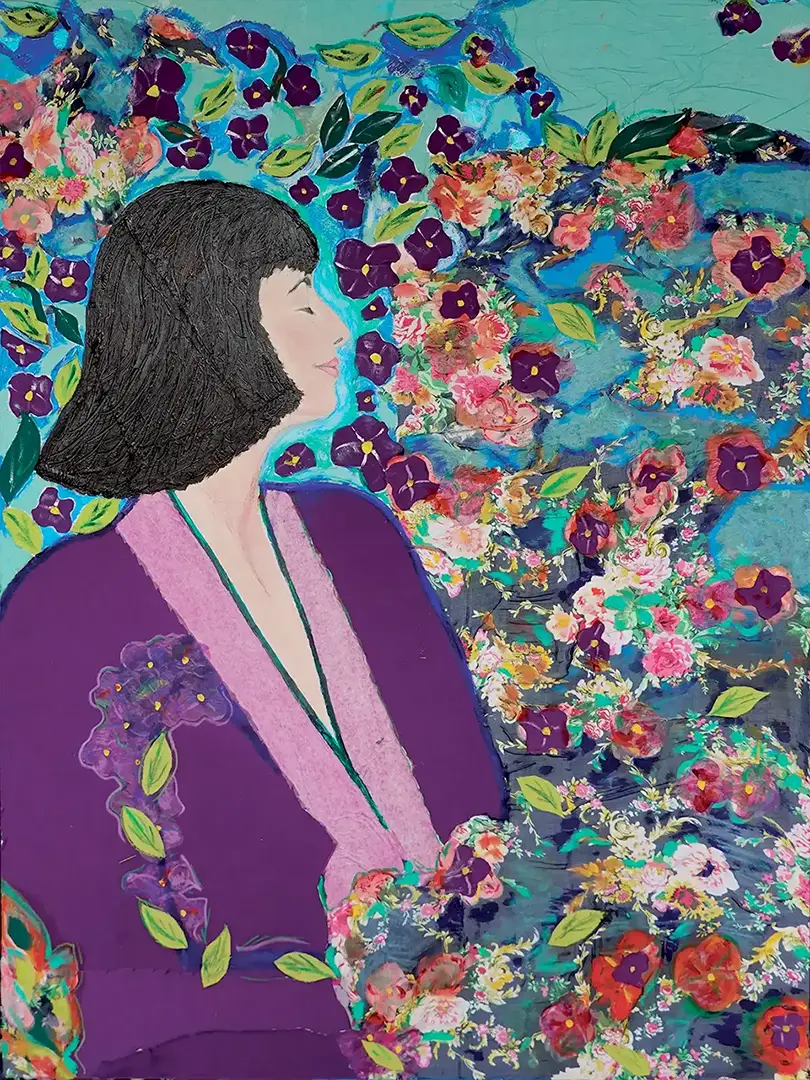
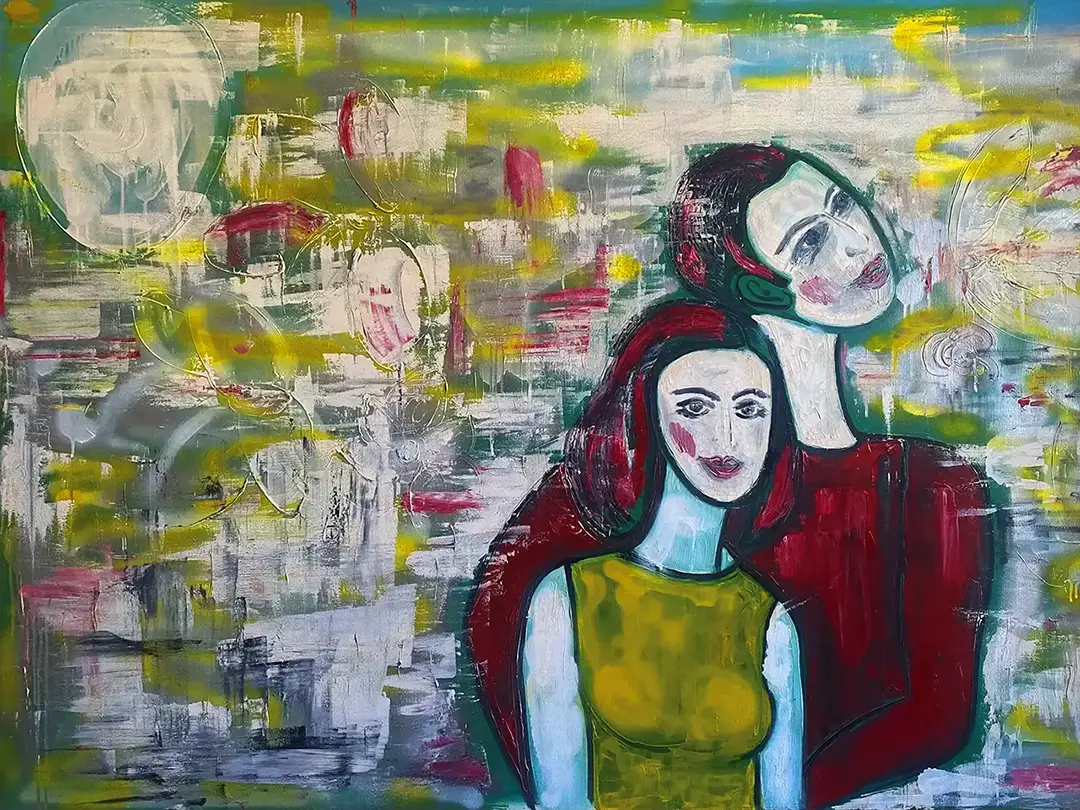
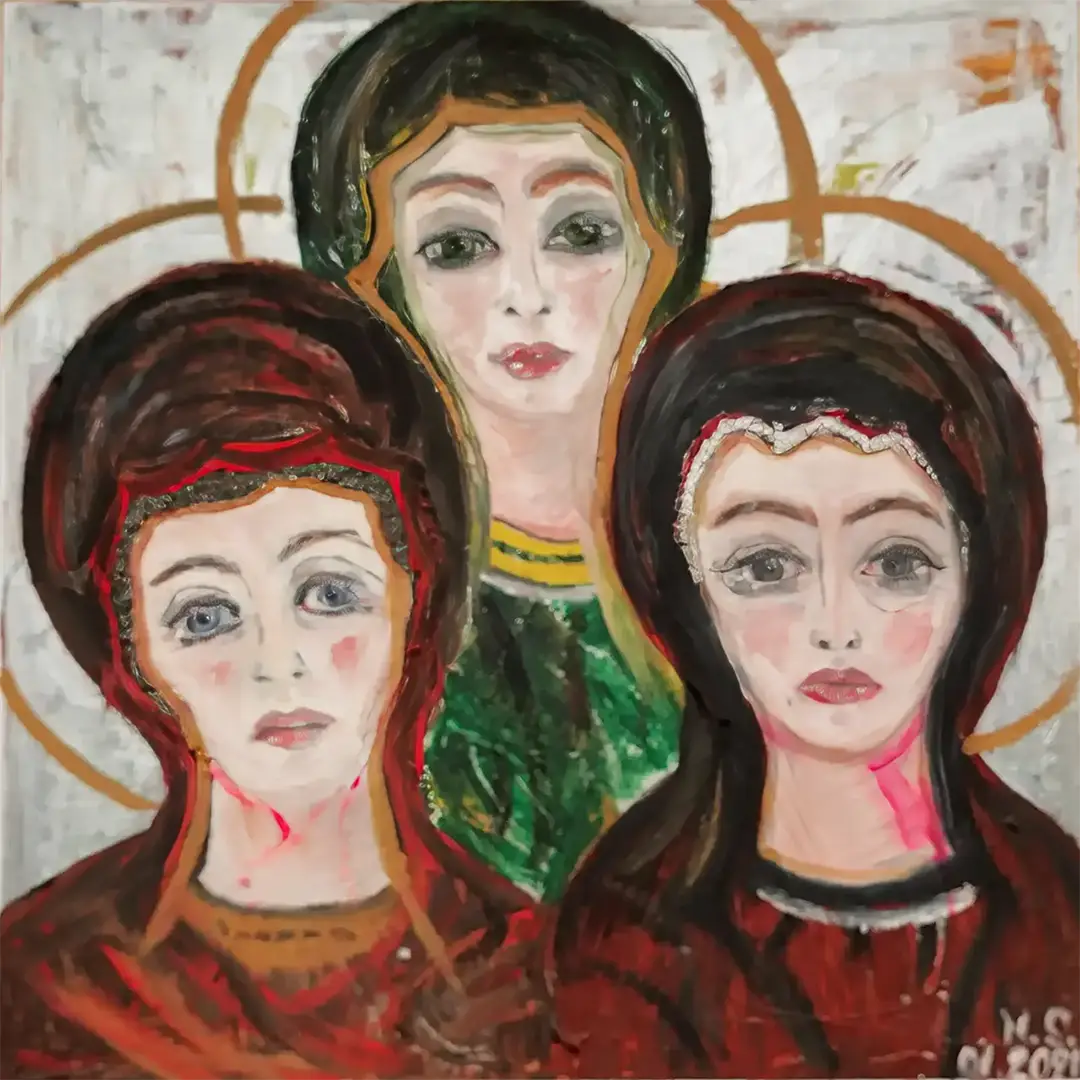
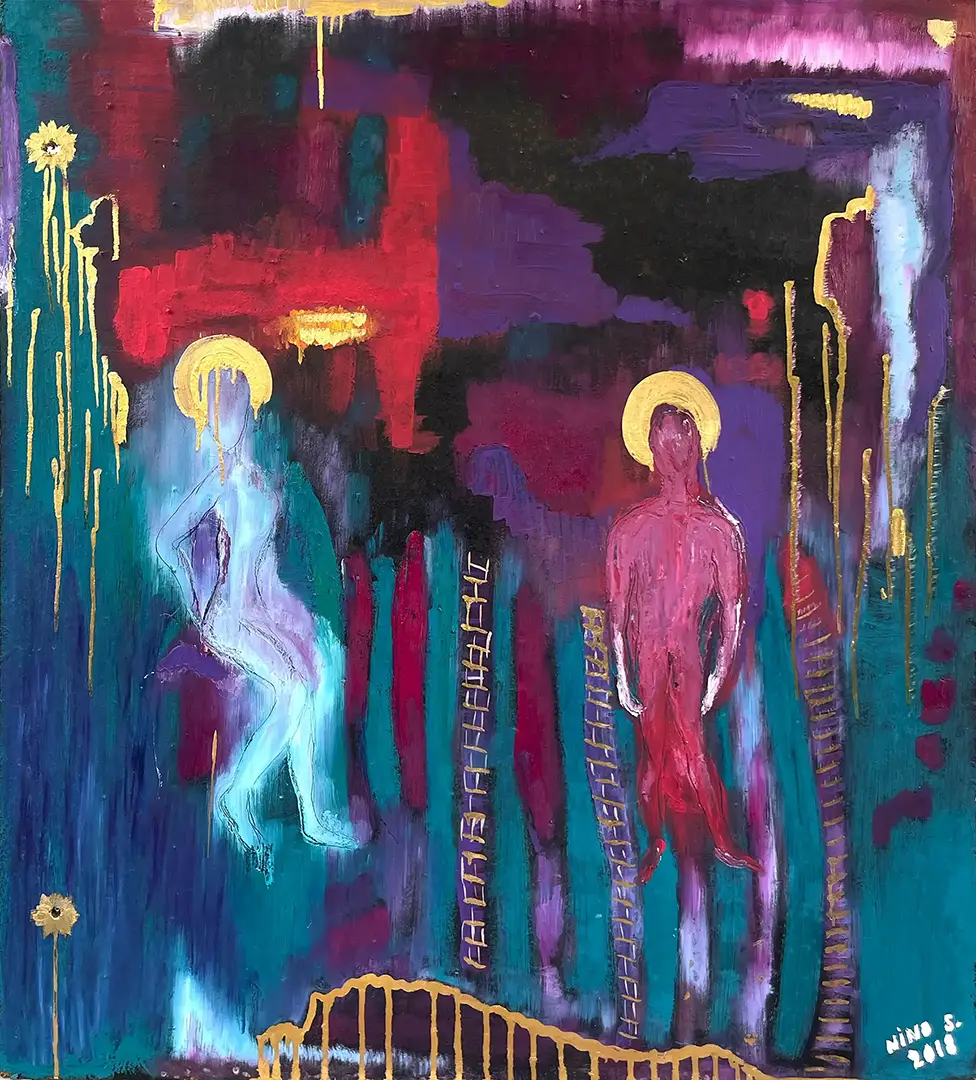
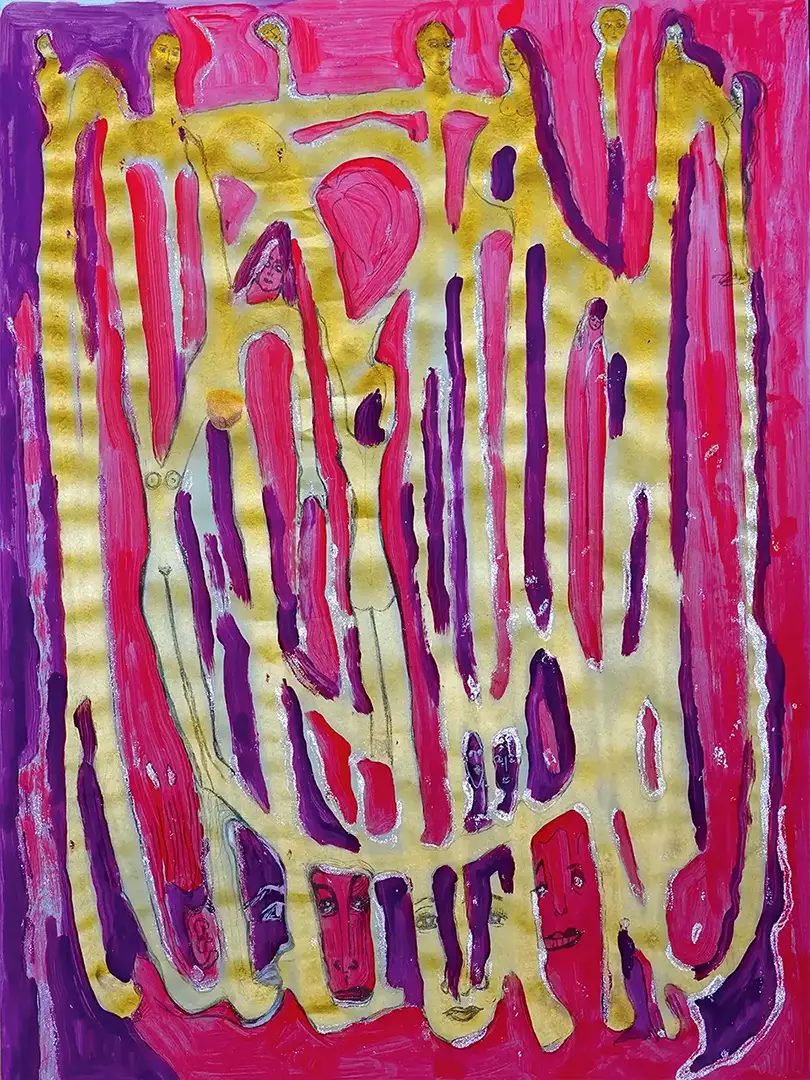
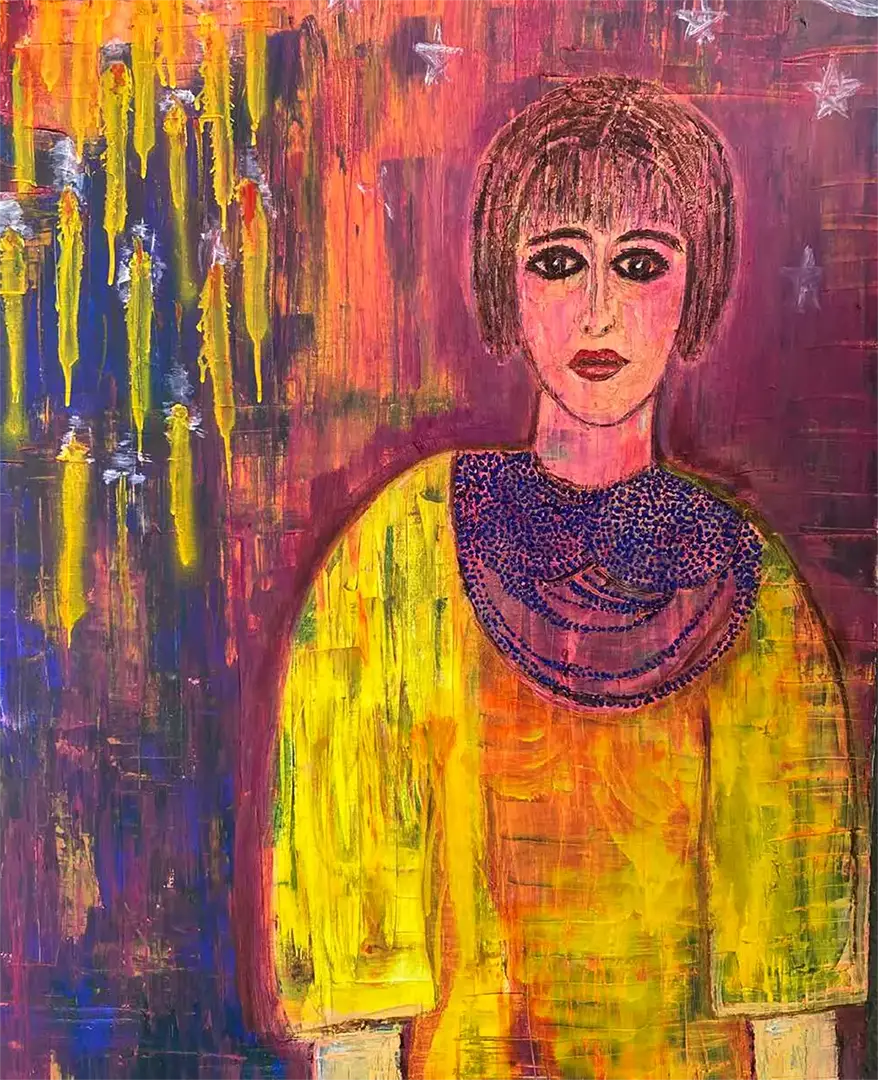
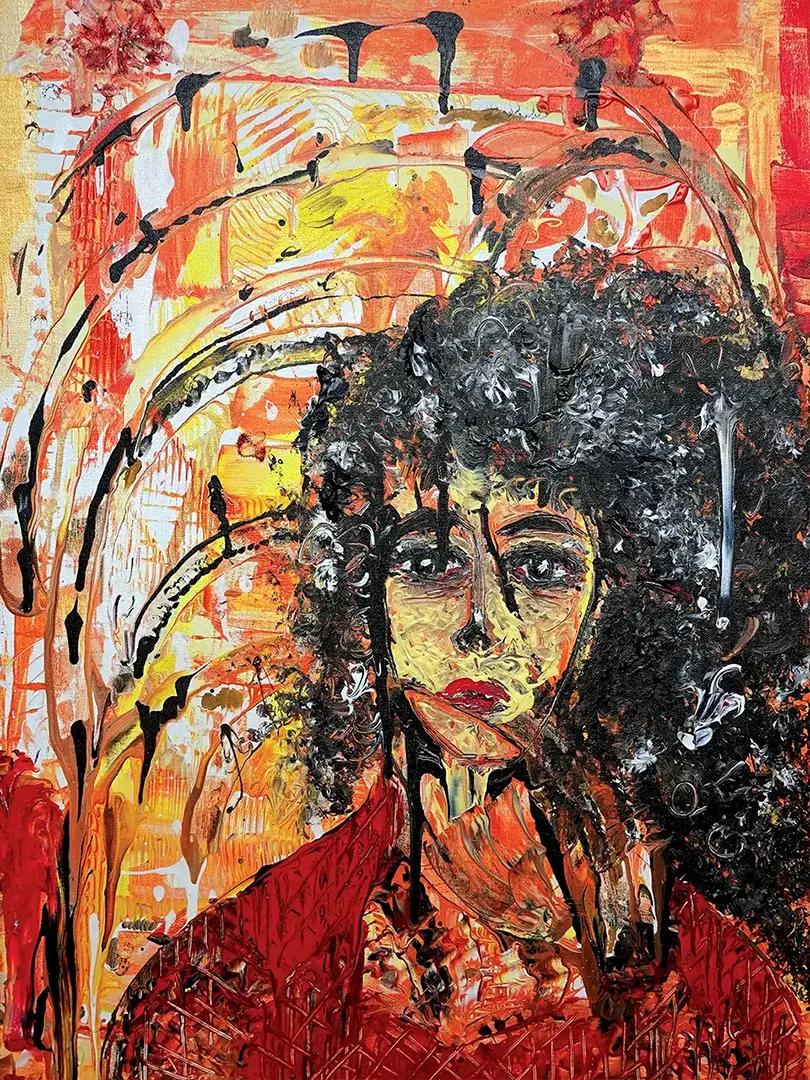
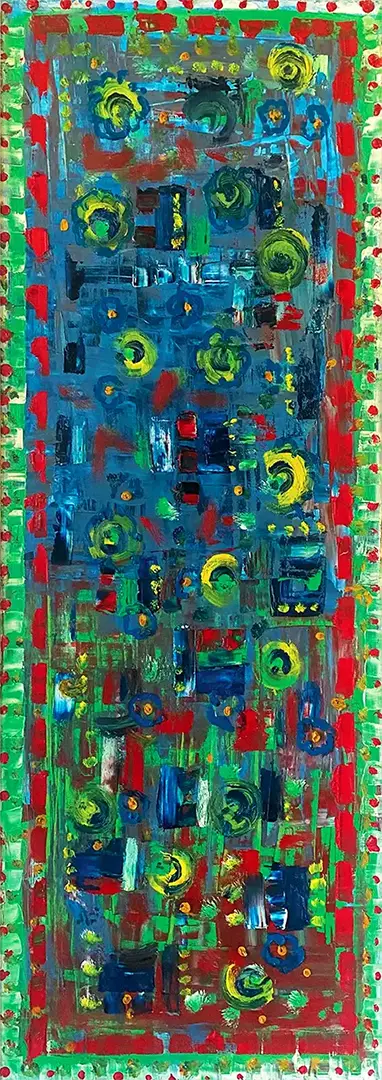
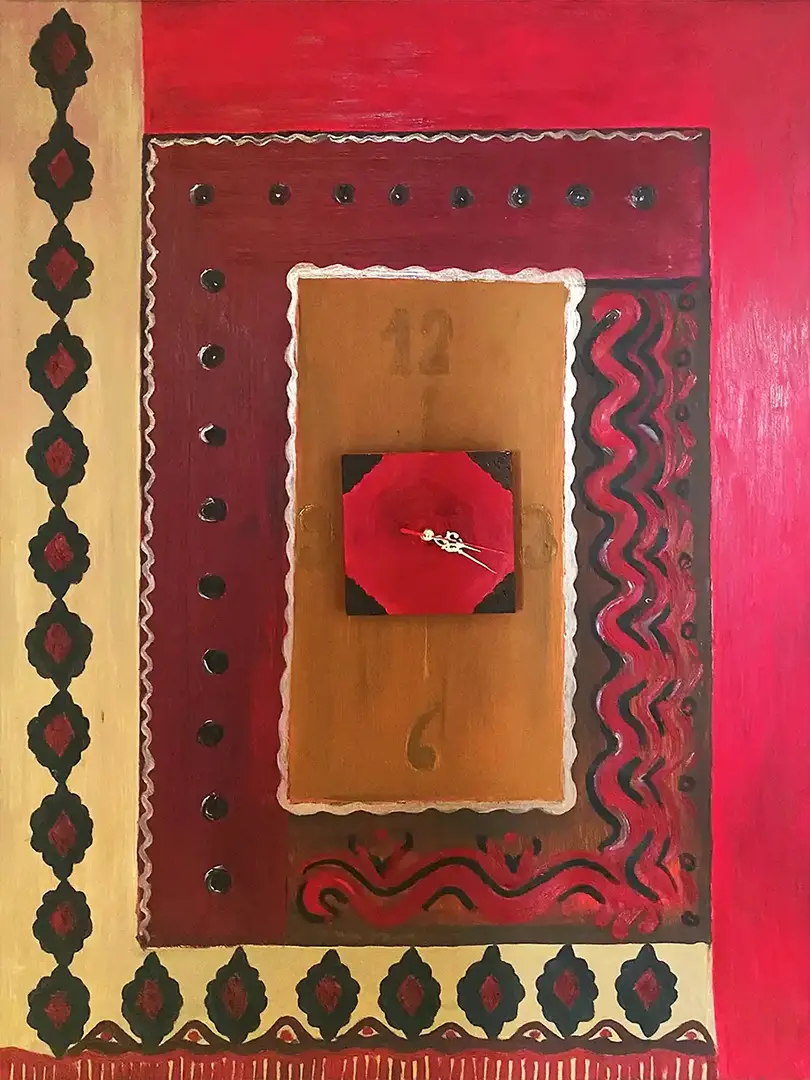
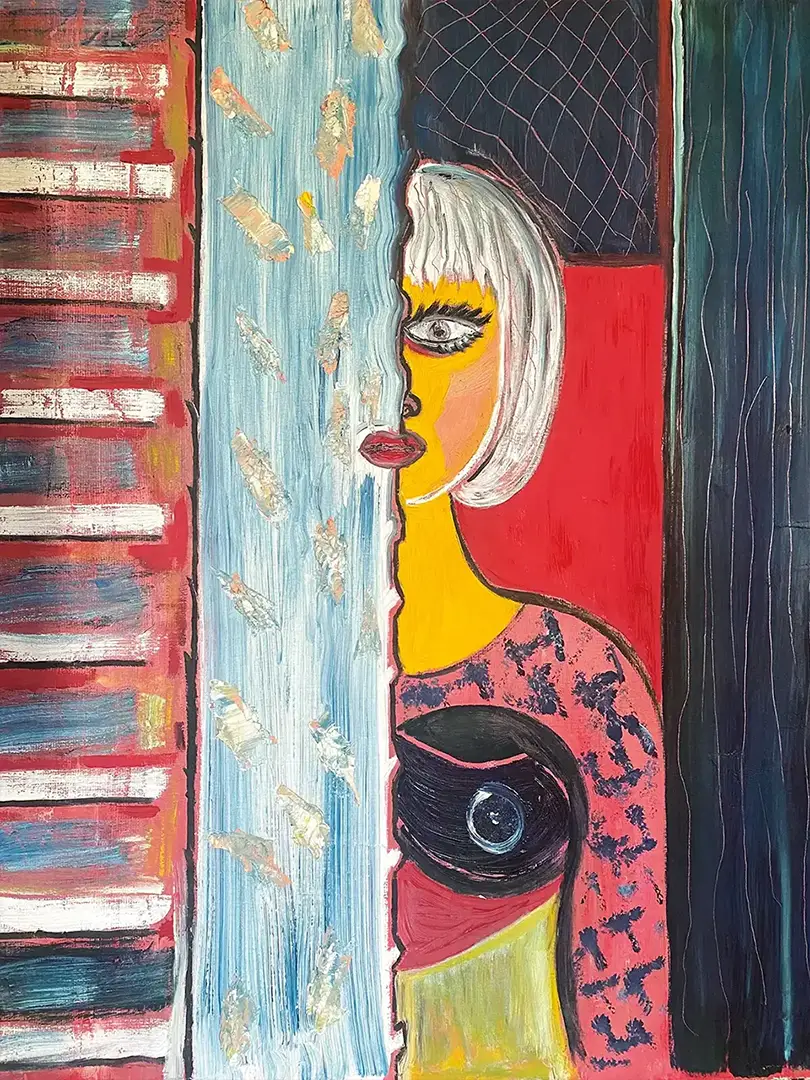
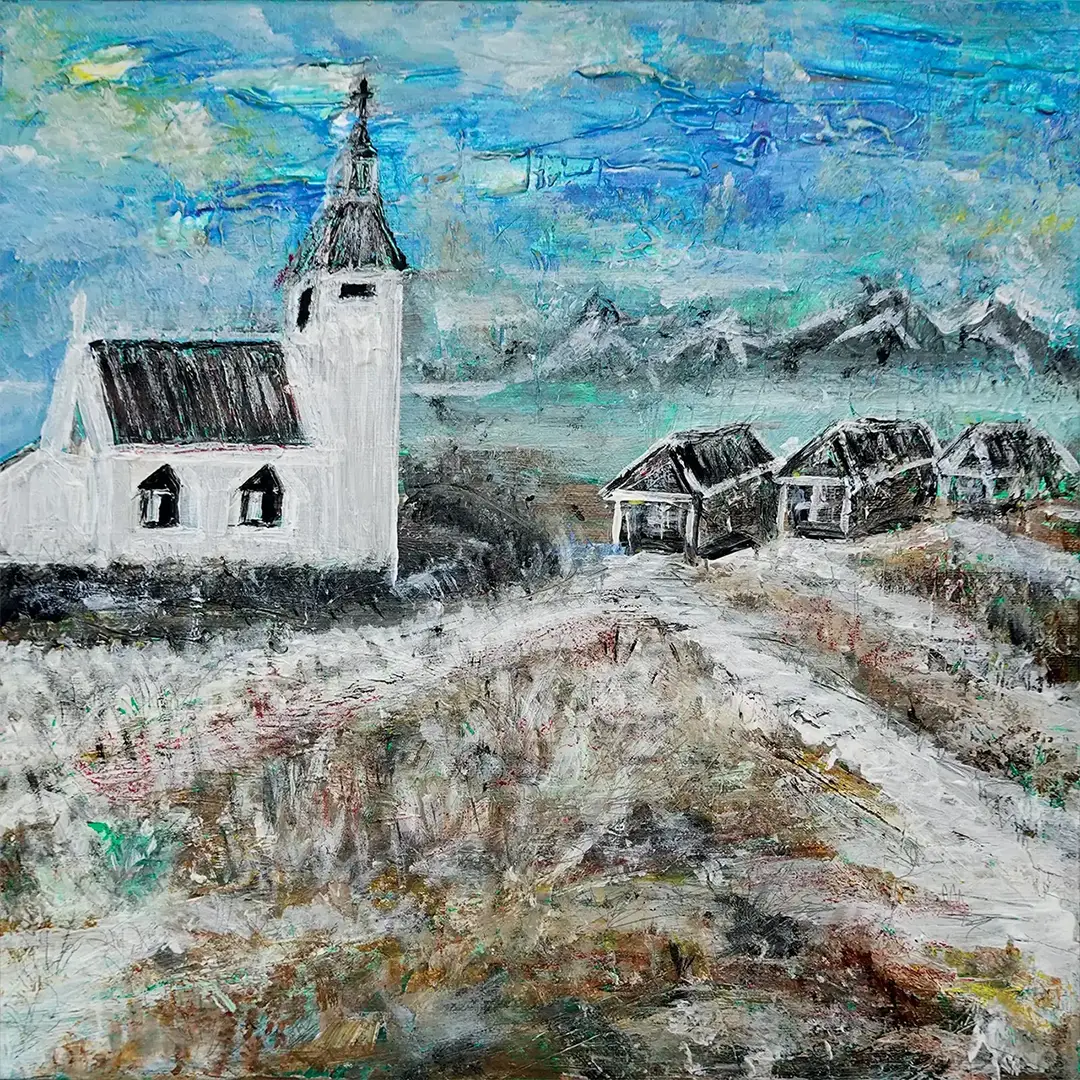
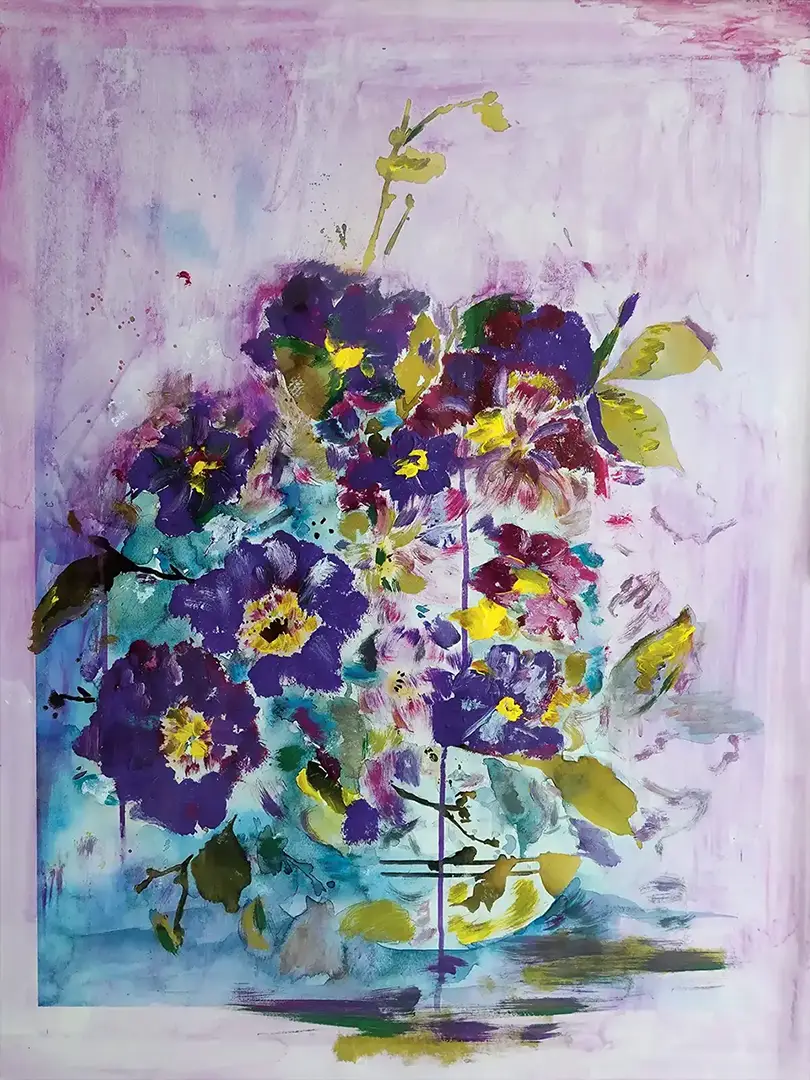
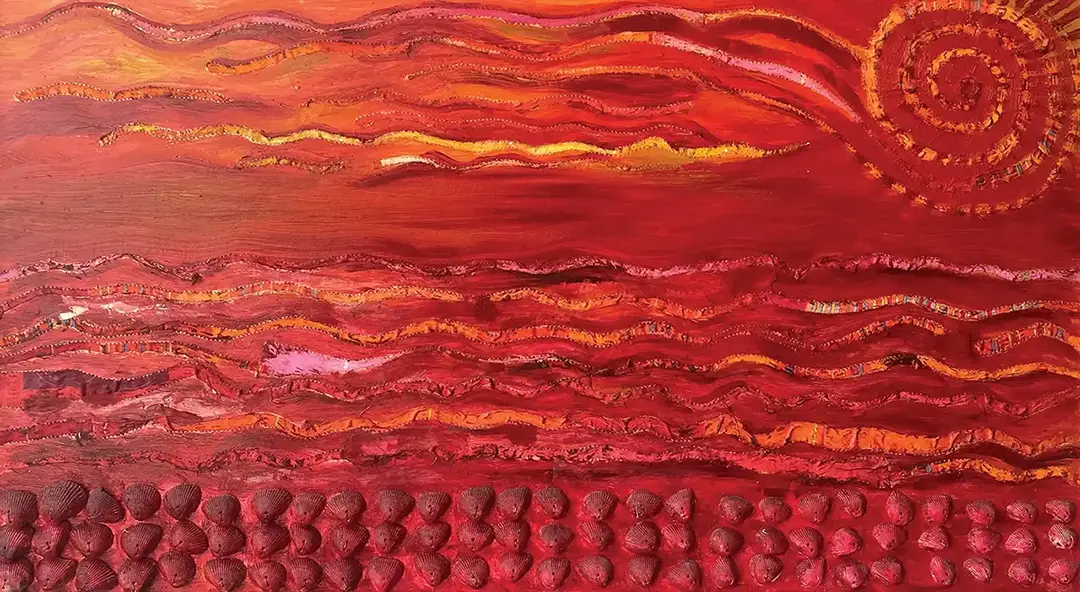
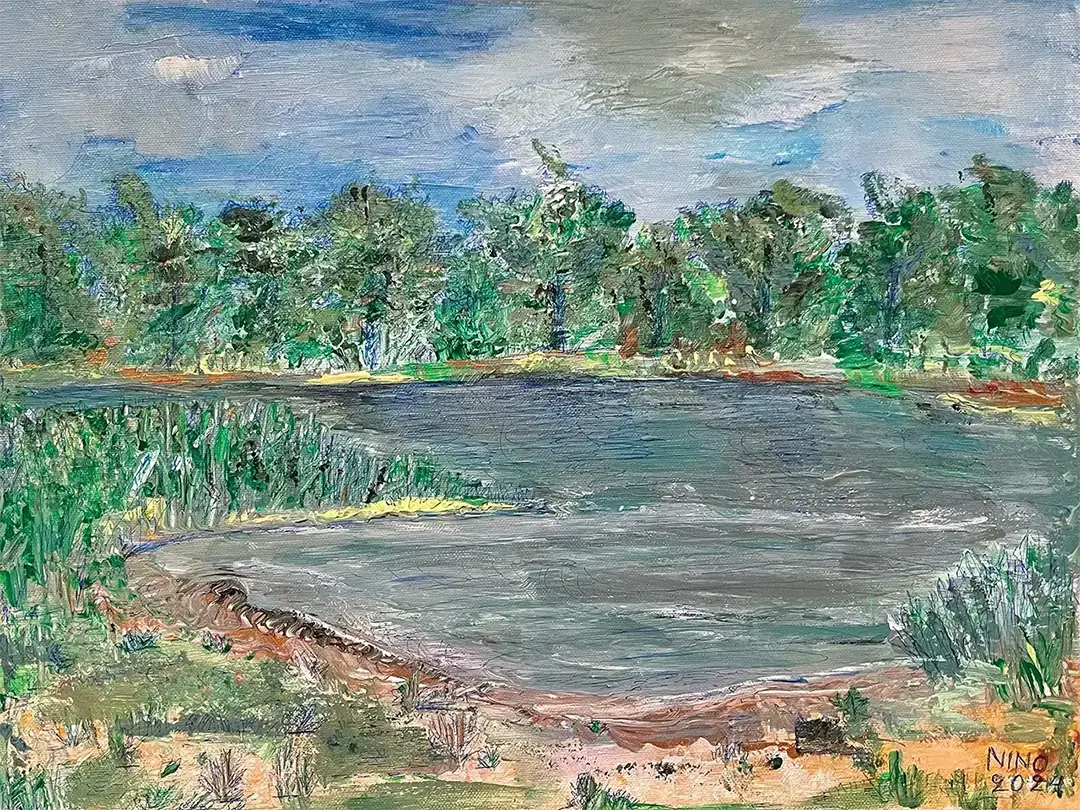
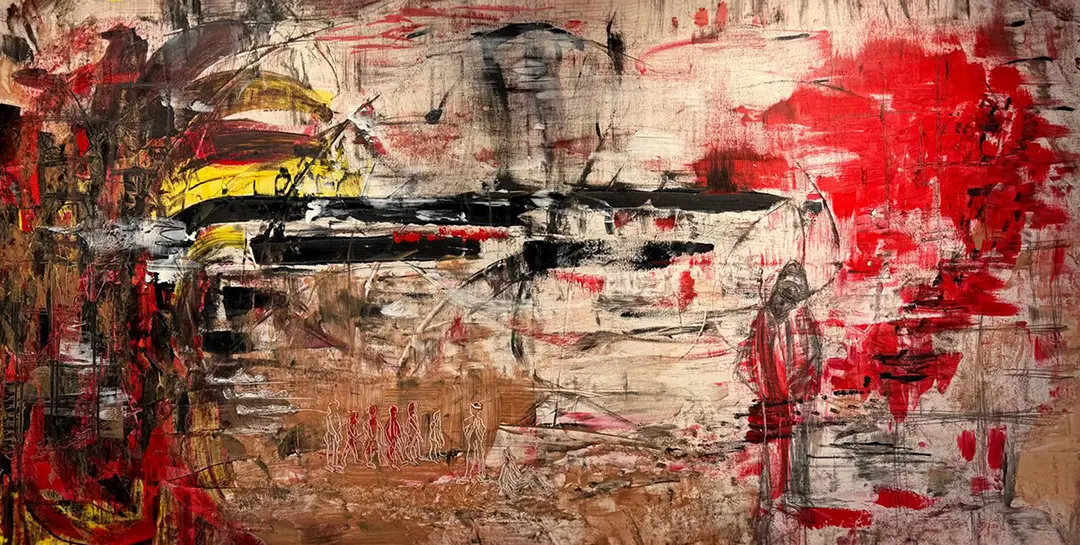
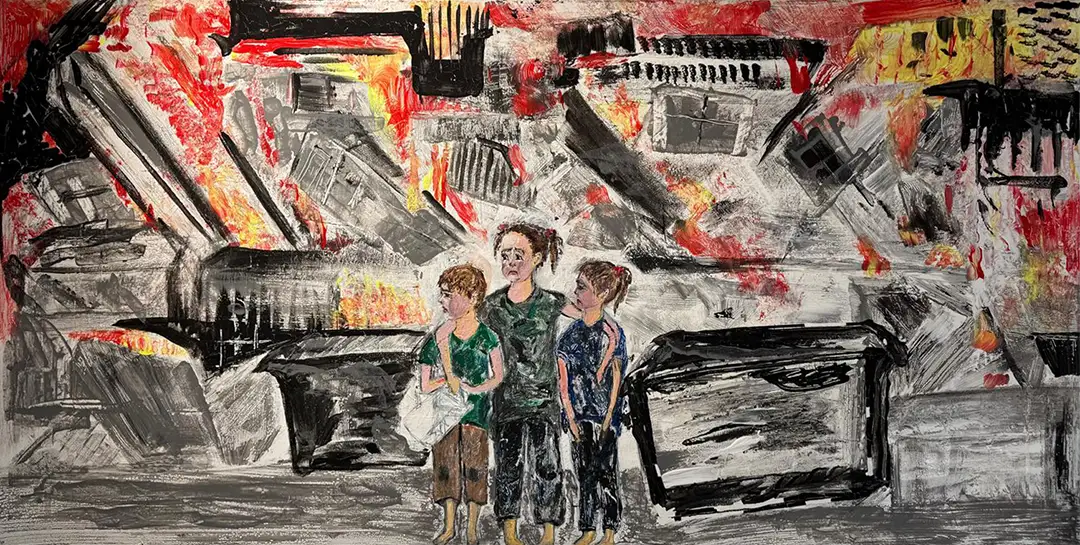
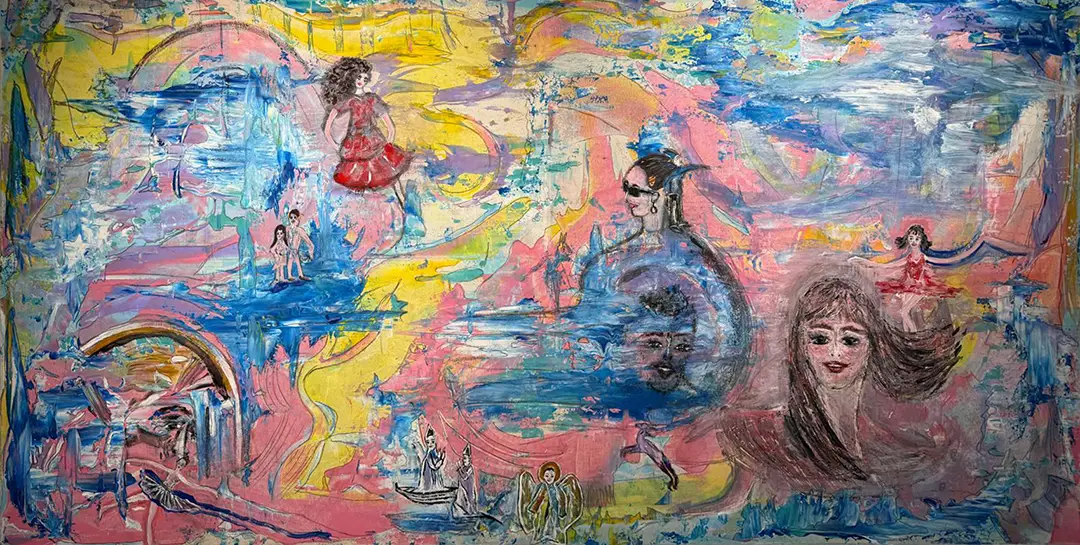
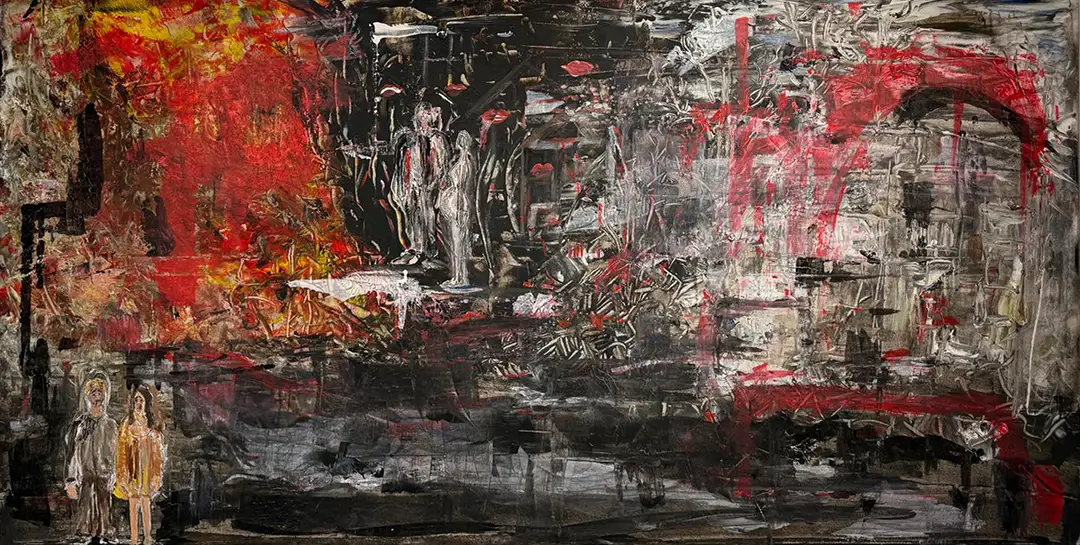
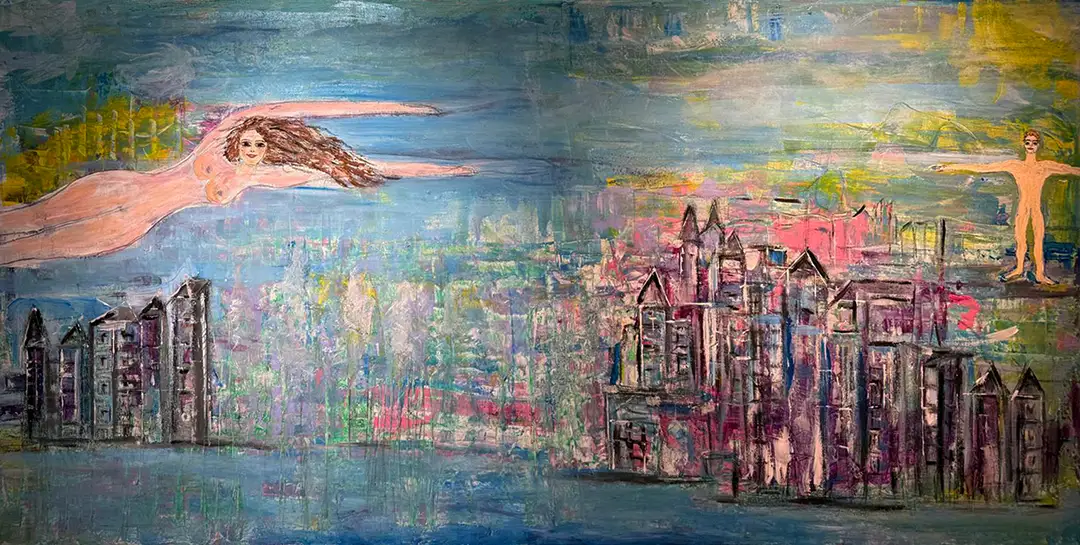
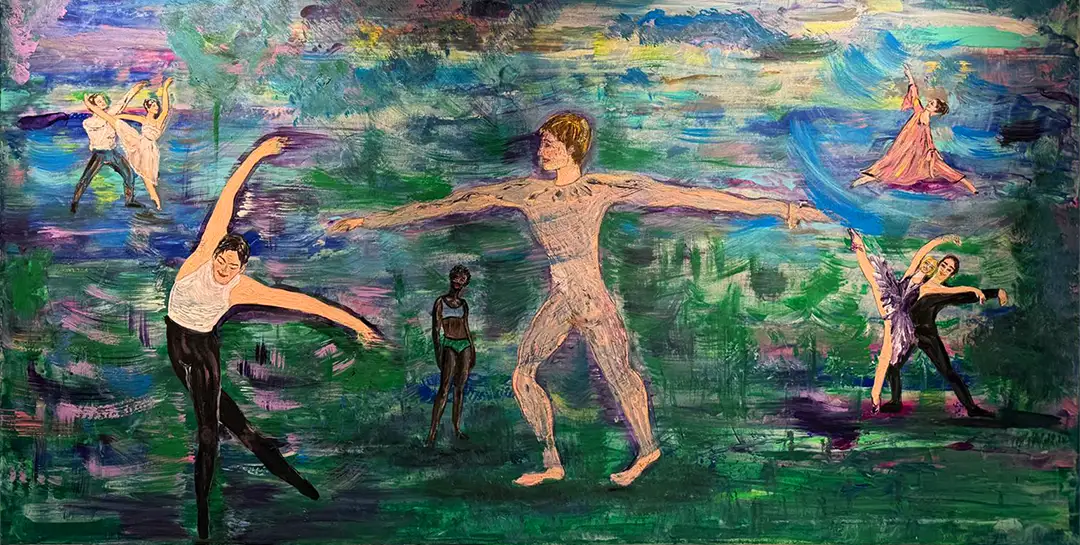
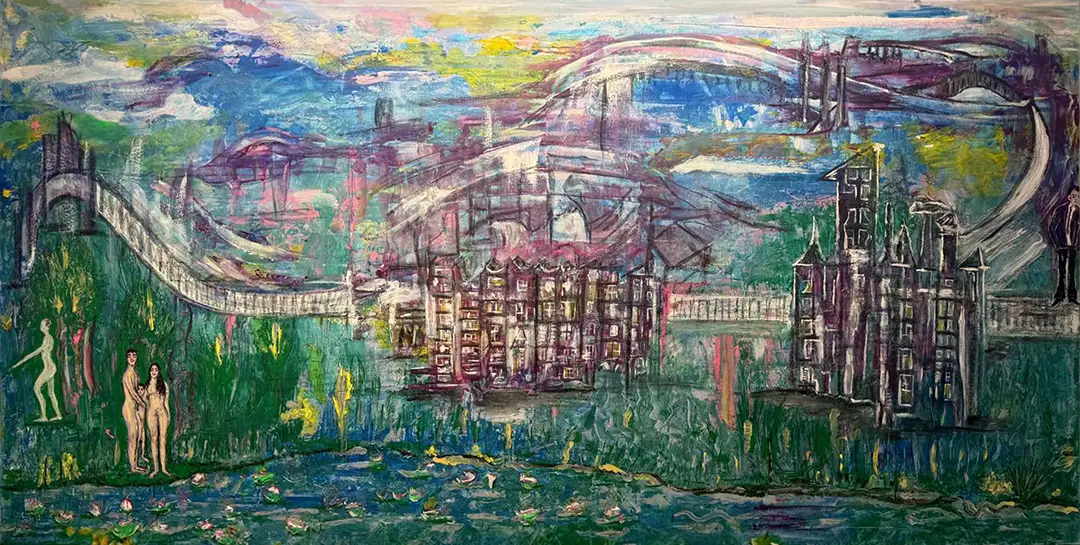
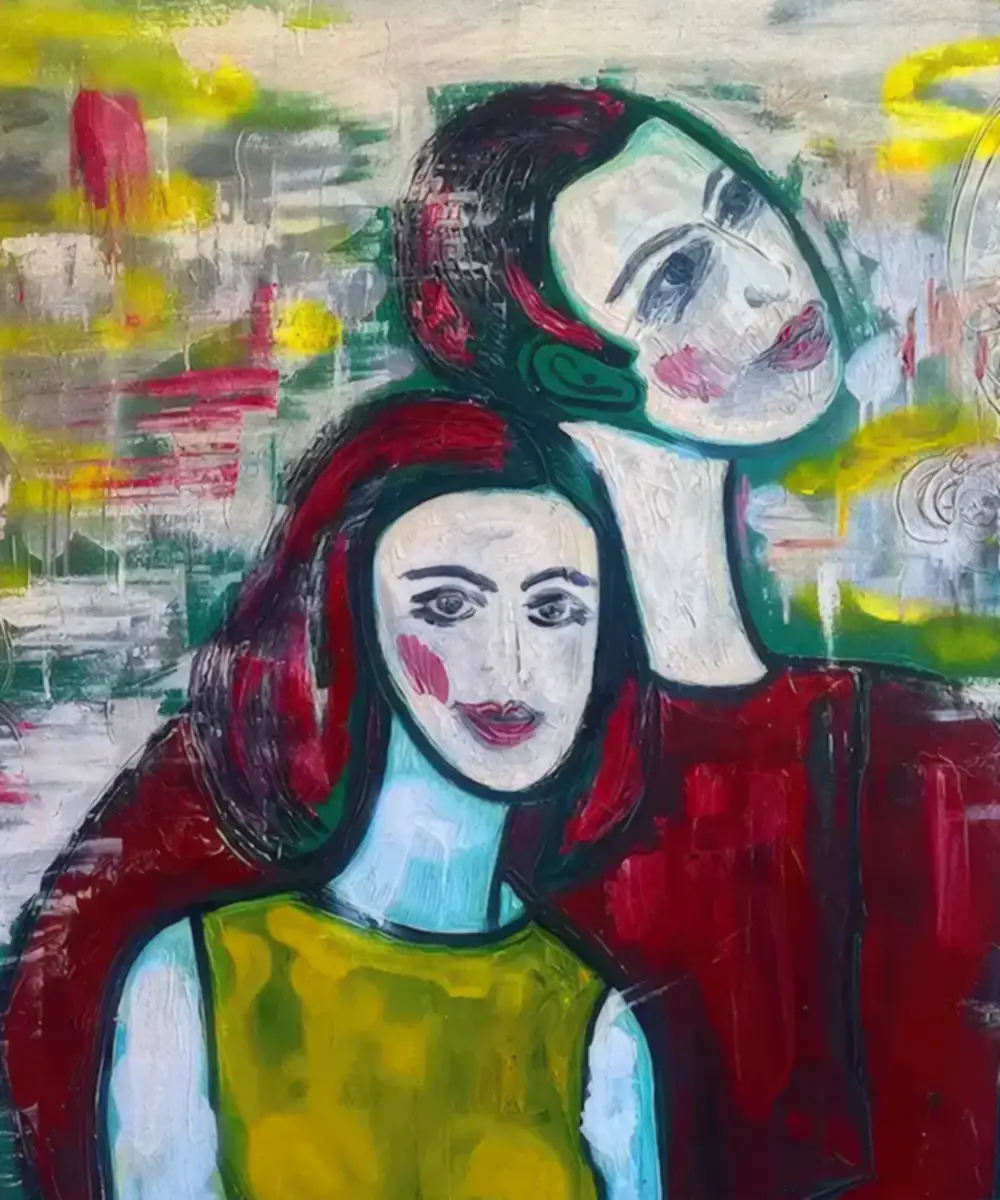
Nino Saakashvili's Art Exhibition"The Meaning of Life in War and Peace"Gedelitz 2026
Introduction
Georgia is an ancient and culturally rich country located at the crossroads of Eastern Europe and Western Asia, bordered by the Black Sea, the Caucasus Mountains, and neighboring nations including Russia, Turkey, Armenia, and Azerbaijan. With a history spanning thousands of years, Georgia has preserved a unique identity defined by its language, alphabet, Christian heritage, architecture, and polyphonic music.
Despite this long-standing identity, Georgia has repeatedly faced external aggression. In 1921, it was forcibly incorporated into the Soviet Union. After regaining independence in 1991, the country was again confronted with war, as Russia initiated armed conflicts in the regions of Abkhazia and South Ossetia. These events caused immense human suffering - thousands were killed, and approximately 500,000 people were displaced, forced to leave their homes and become refugees within their own country.
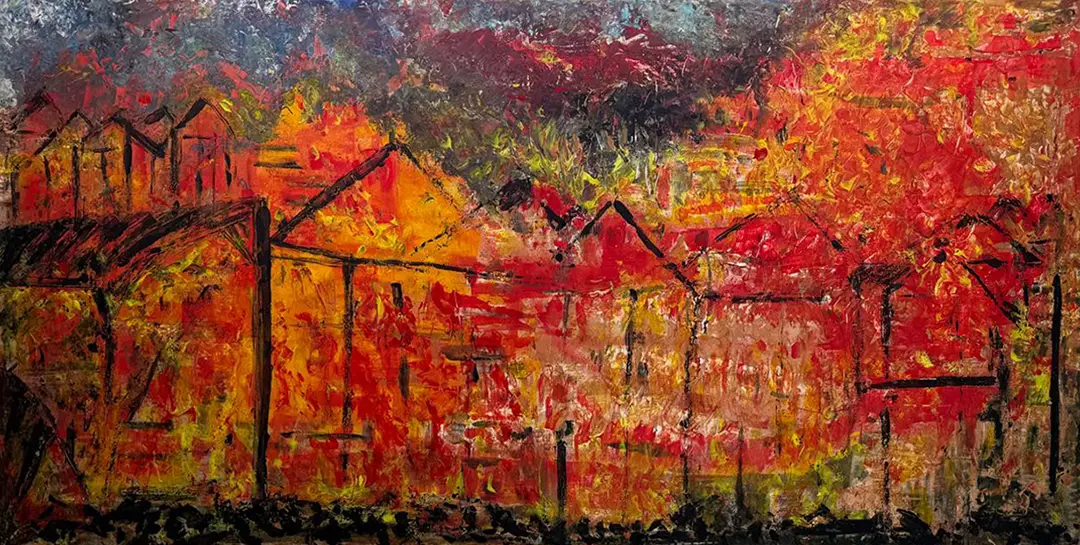
The trauma did not end there. In 2008, a new war brought further destruction, occupation, and displacement. Today, more than 20% of Georgia's territory remains under Russian control. The process known as "borderization" continues, with fences gradually moving deeper into Georgian land, often without warning.
This reality is not abstract - it is deeply personal. The presence of occupation forces only a short distance from Tbilisi, the city where I was born and where my family still lives, is a constant reminder that war is not a distant concept, but an ongoing condition.
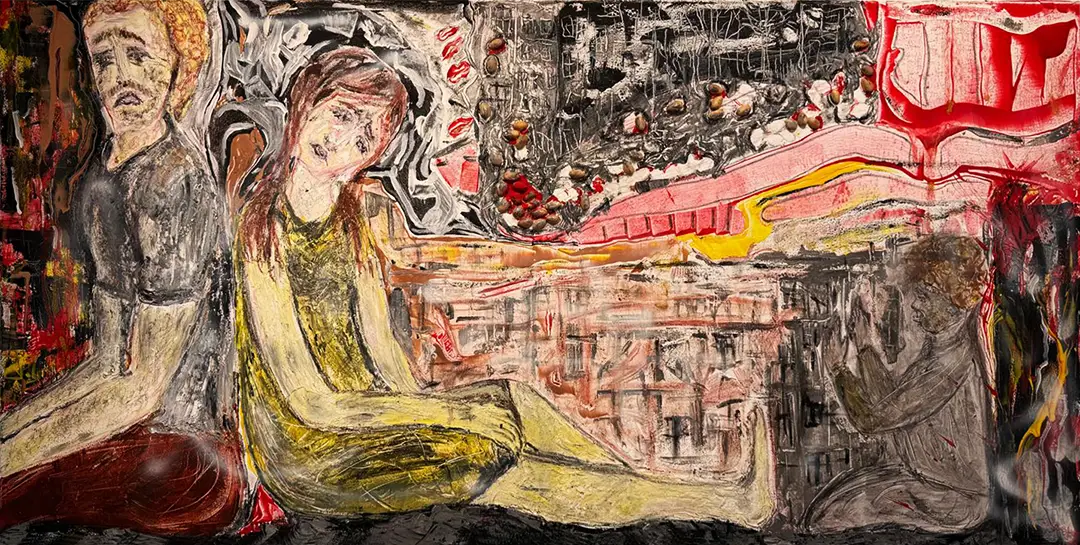
Because of this, I cannot view conflicts elsewhere with detachment. The wars in Ukraine, Syria, Gaza, and the ongoing conflict involving Iran resonate deeply with me. I recognize the fear, loss, and suffering of civilians - especially children. The images of destruction, displacement, and survival are not distant; they reflect experiences I understand intimately.
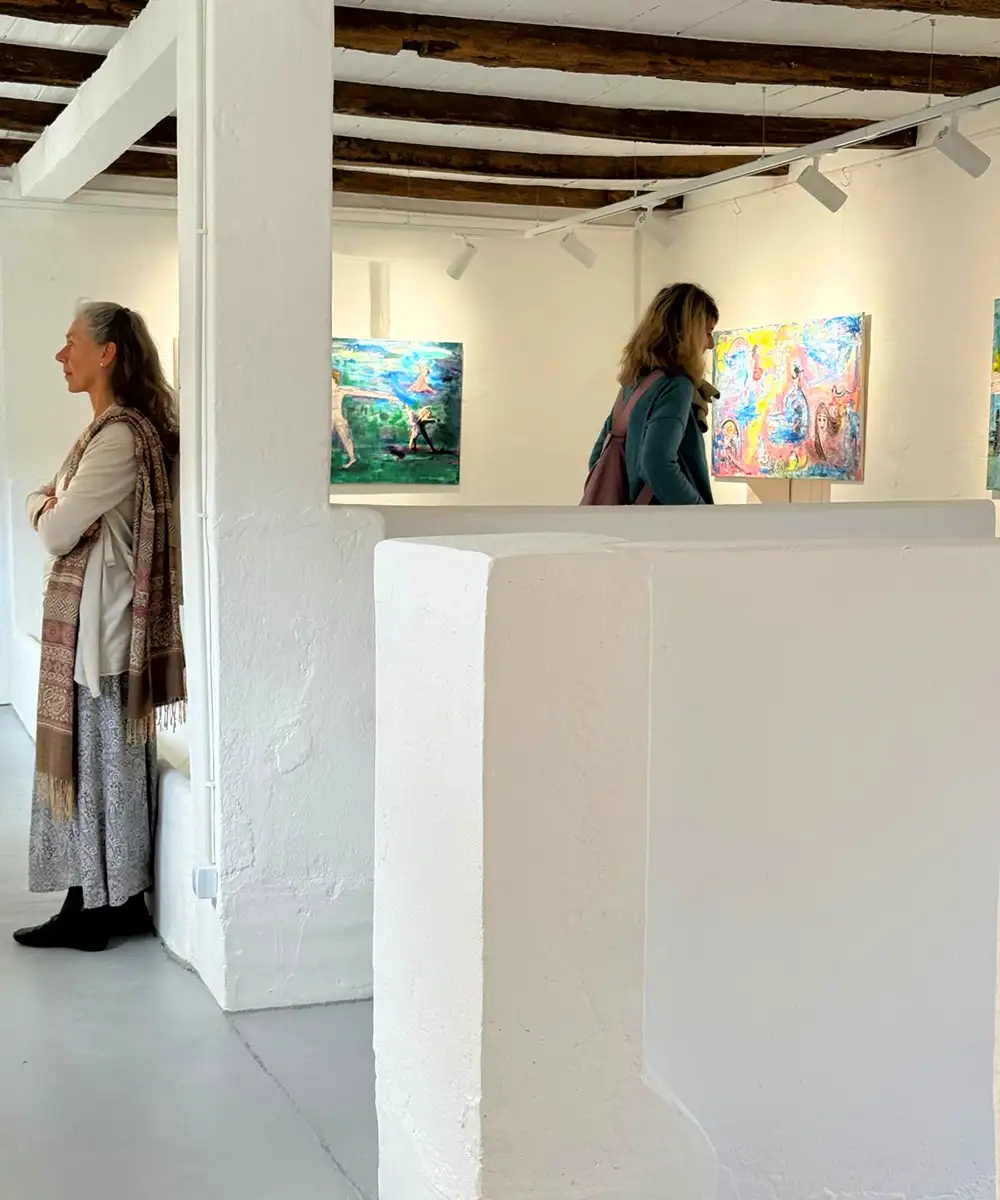
Exhibition Overview
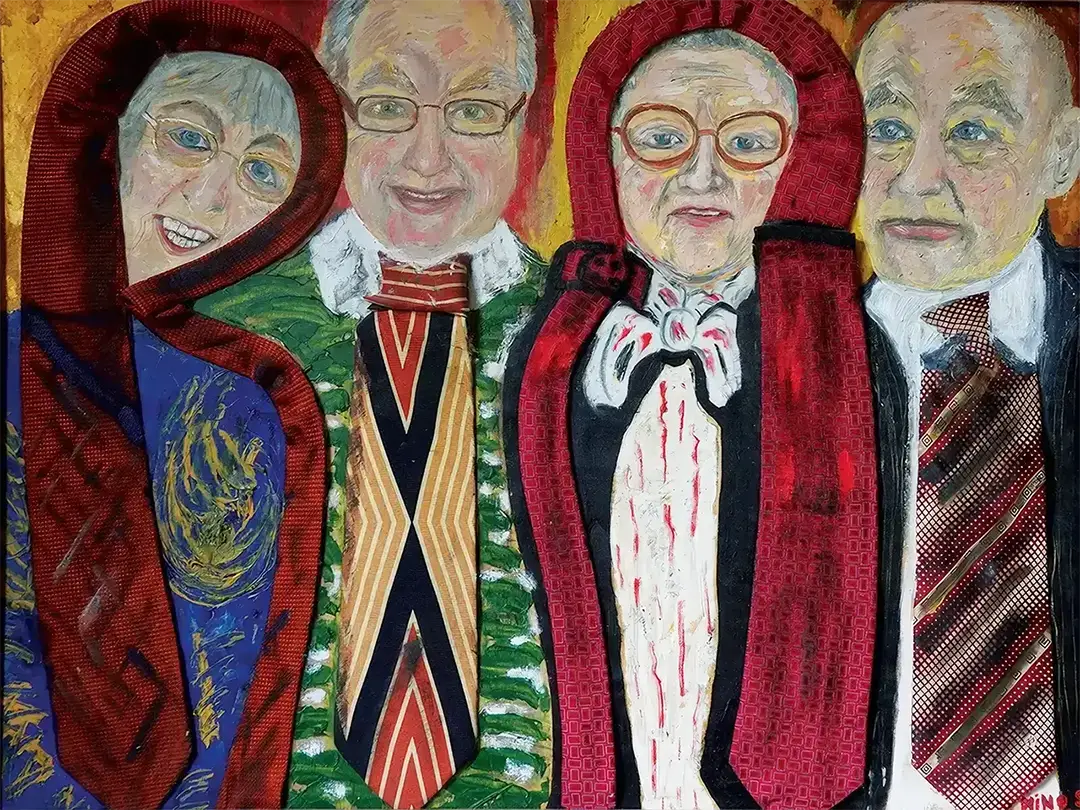
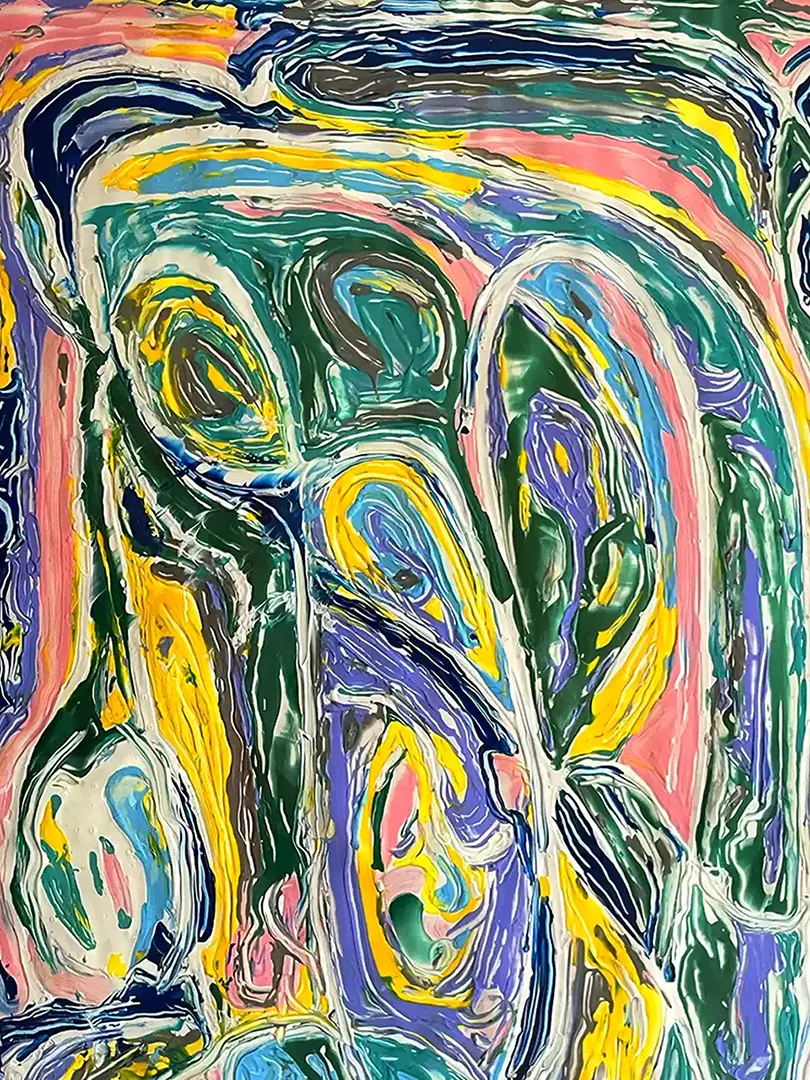
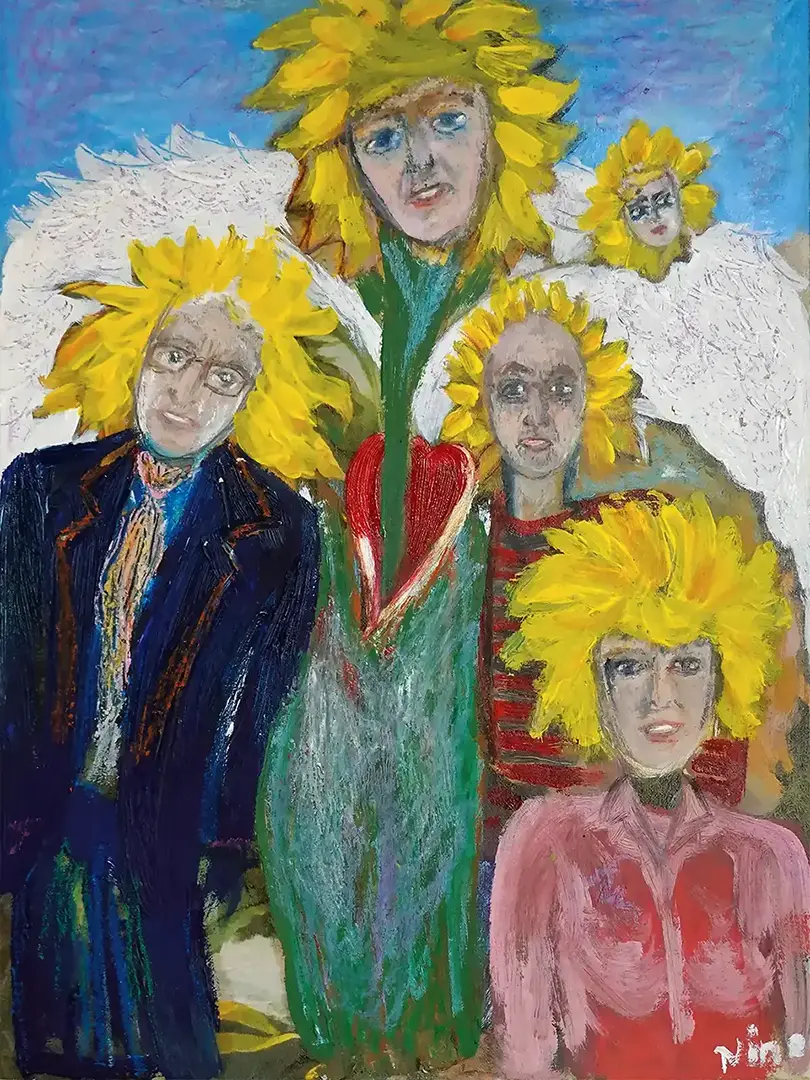
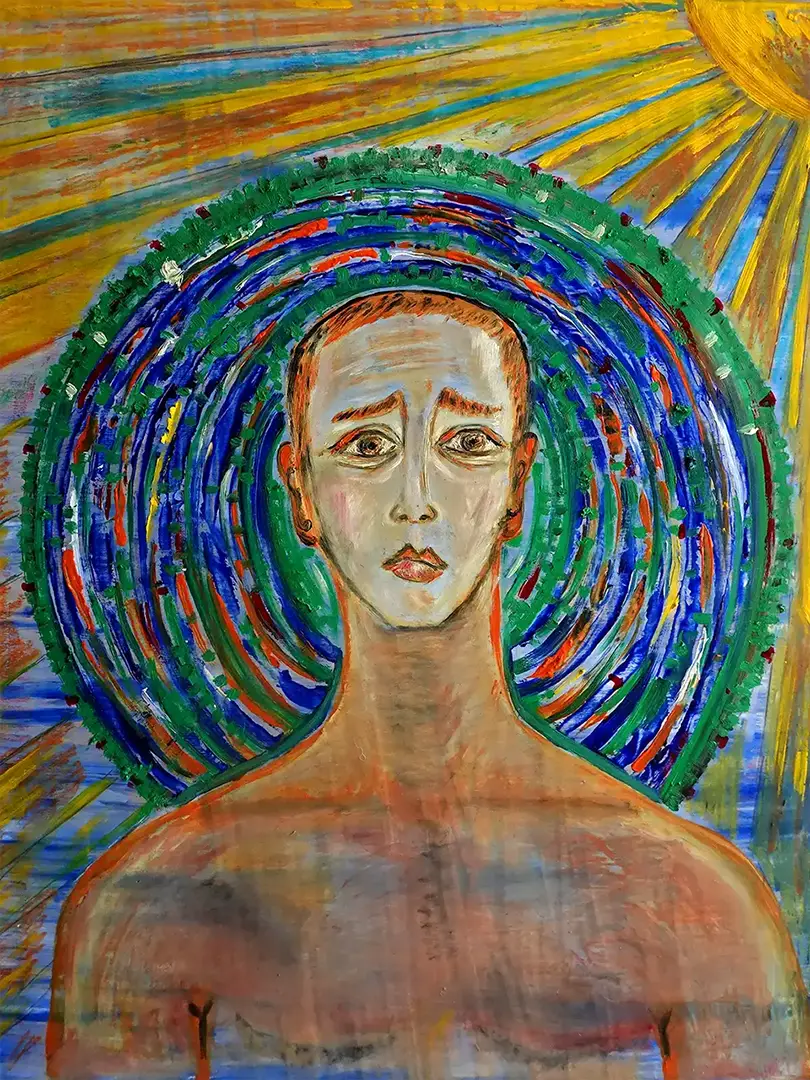
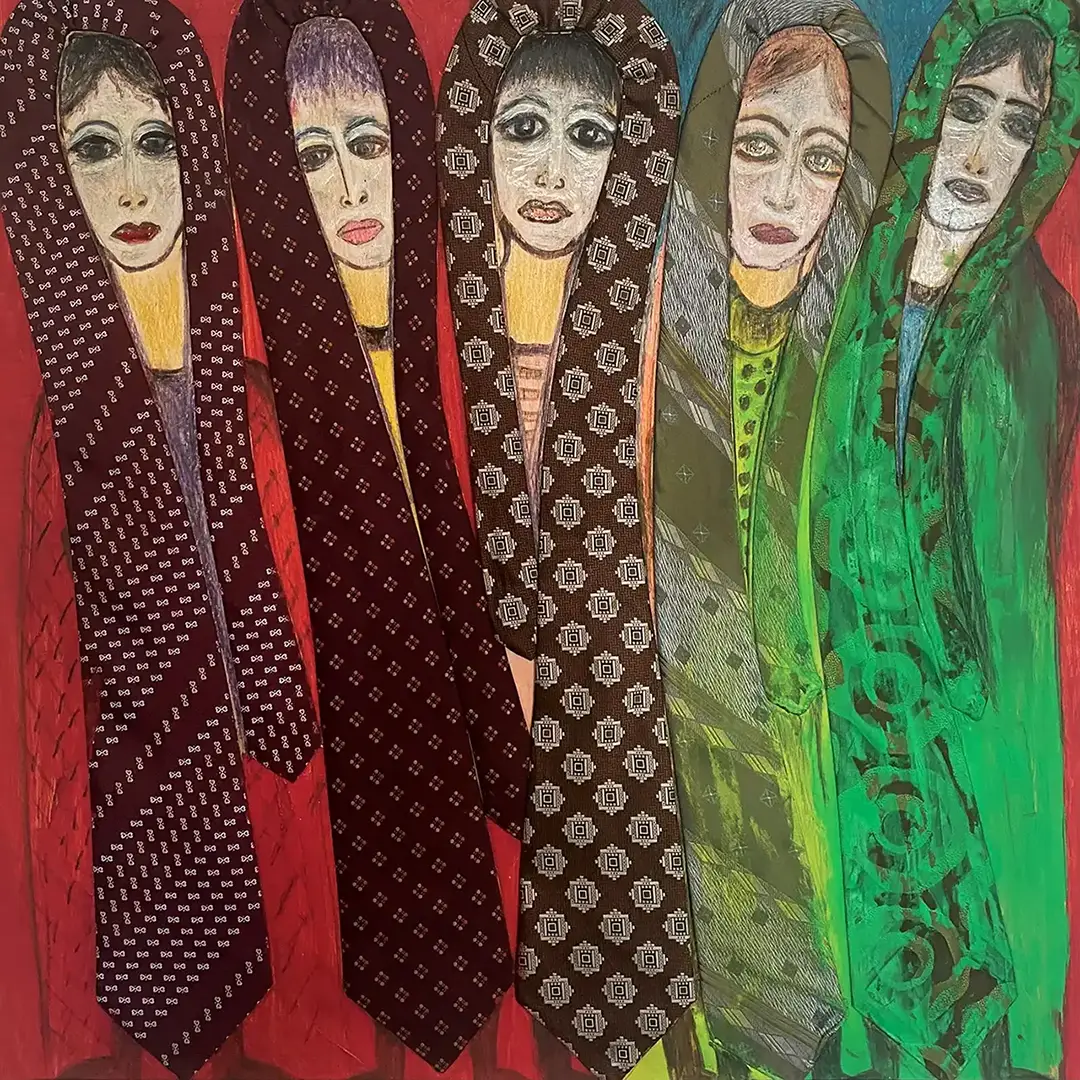
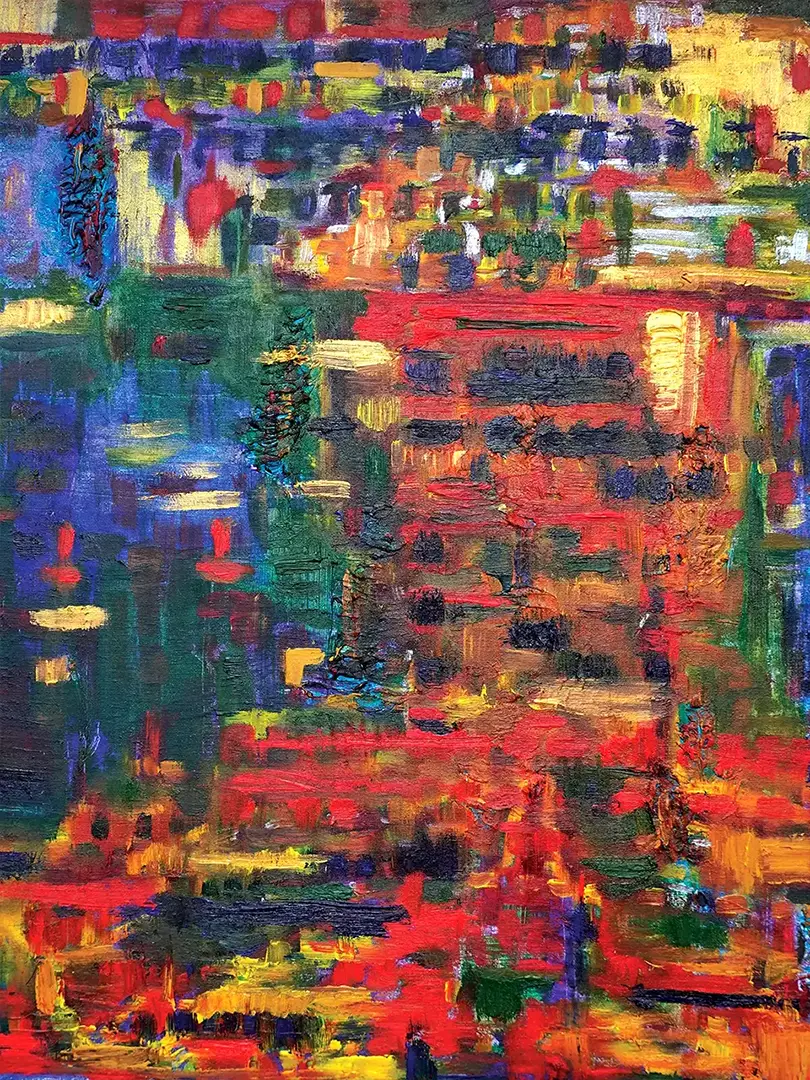
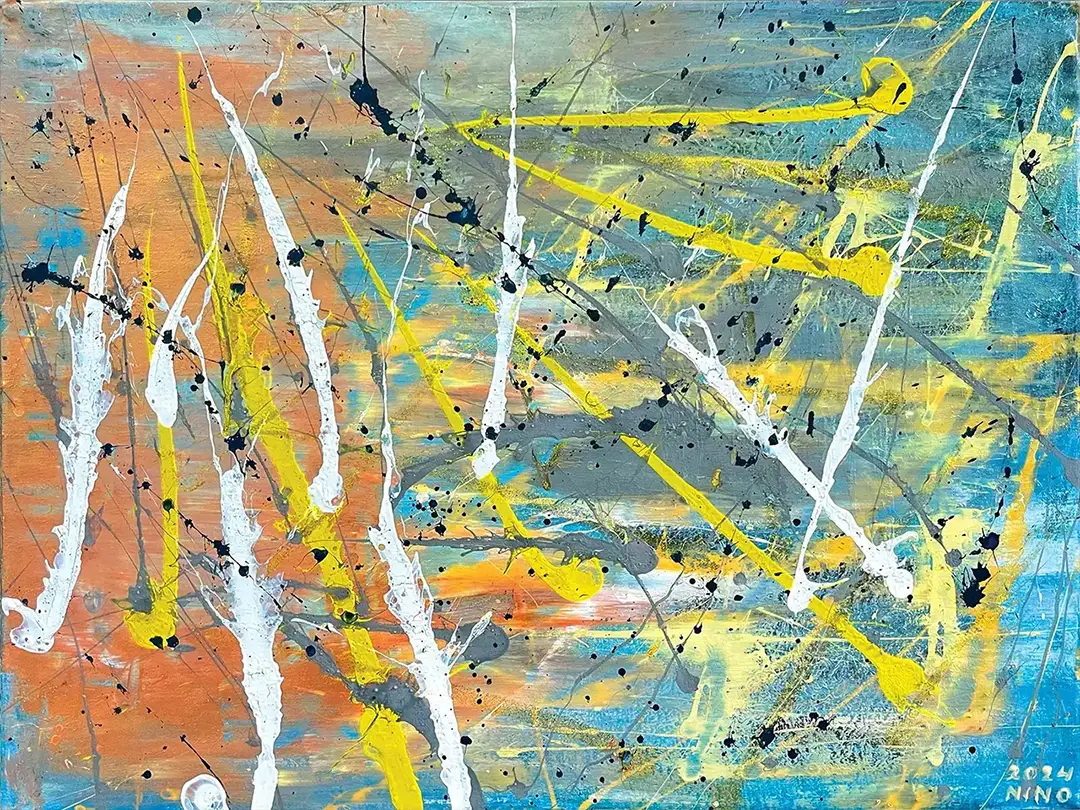
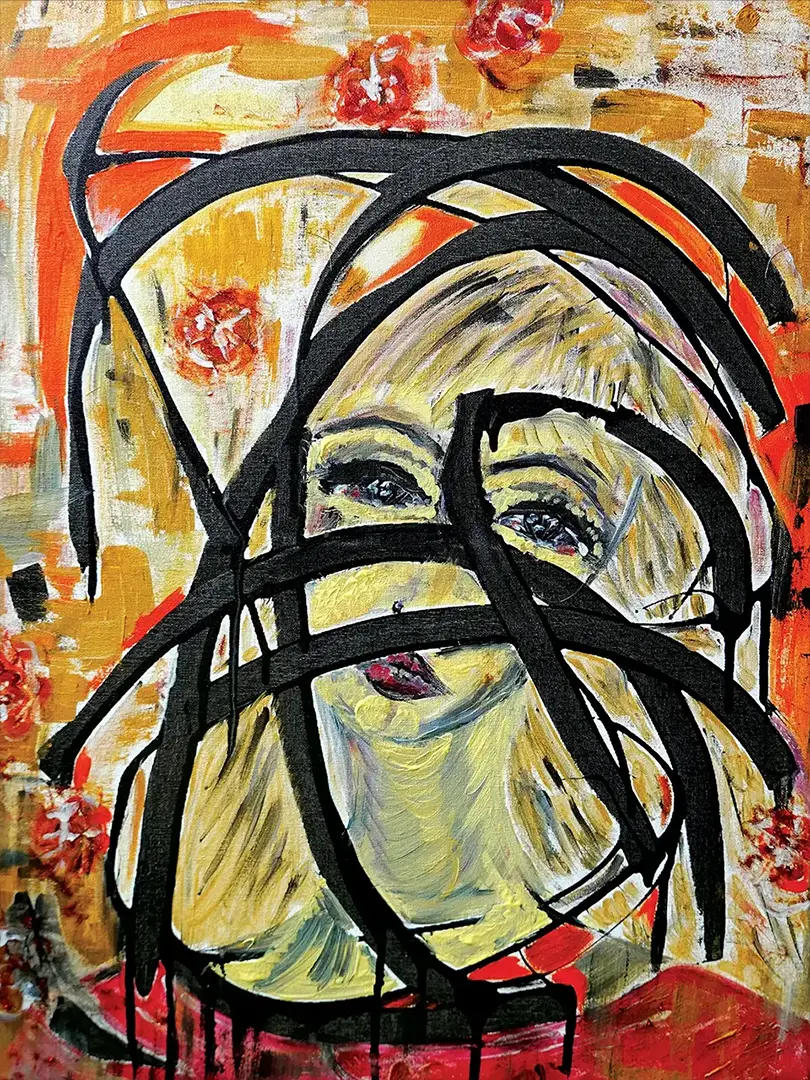
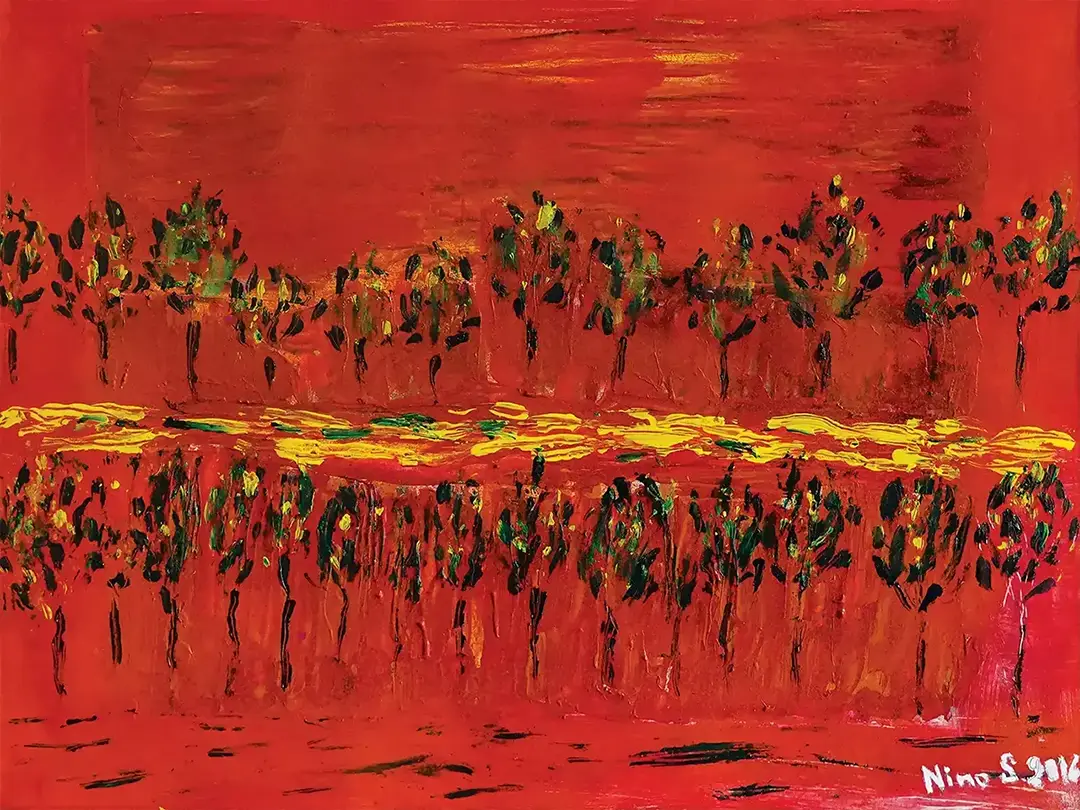
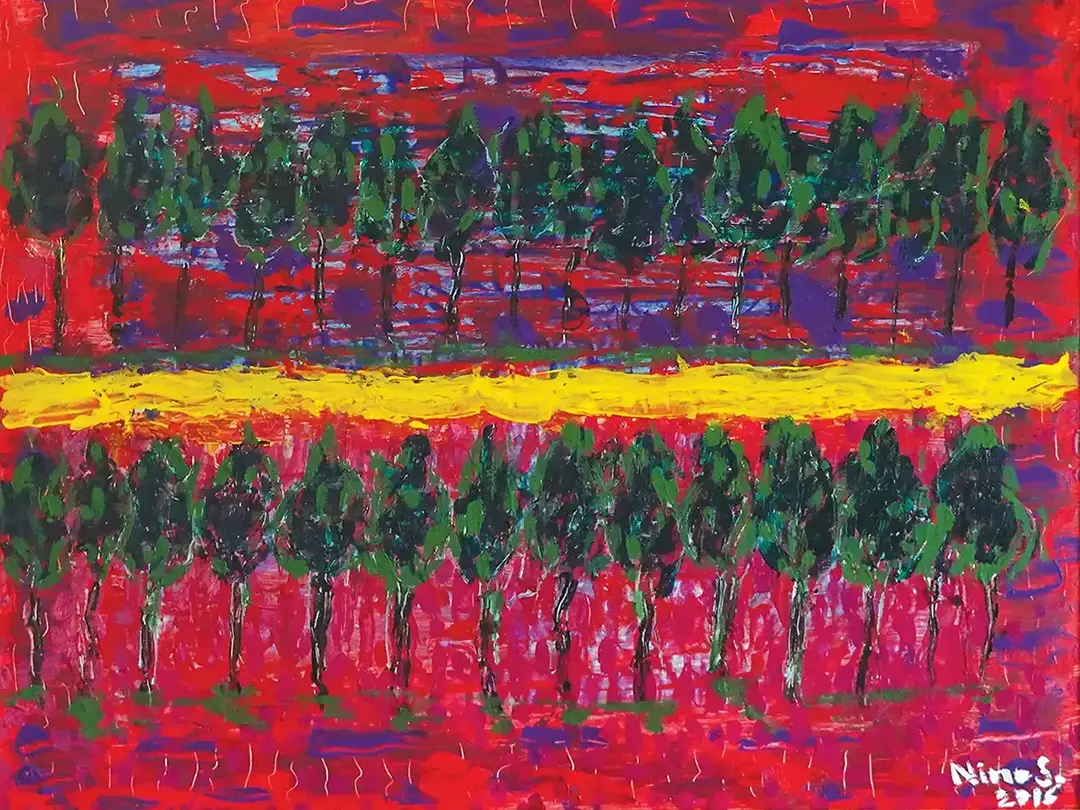
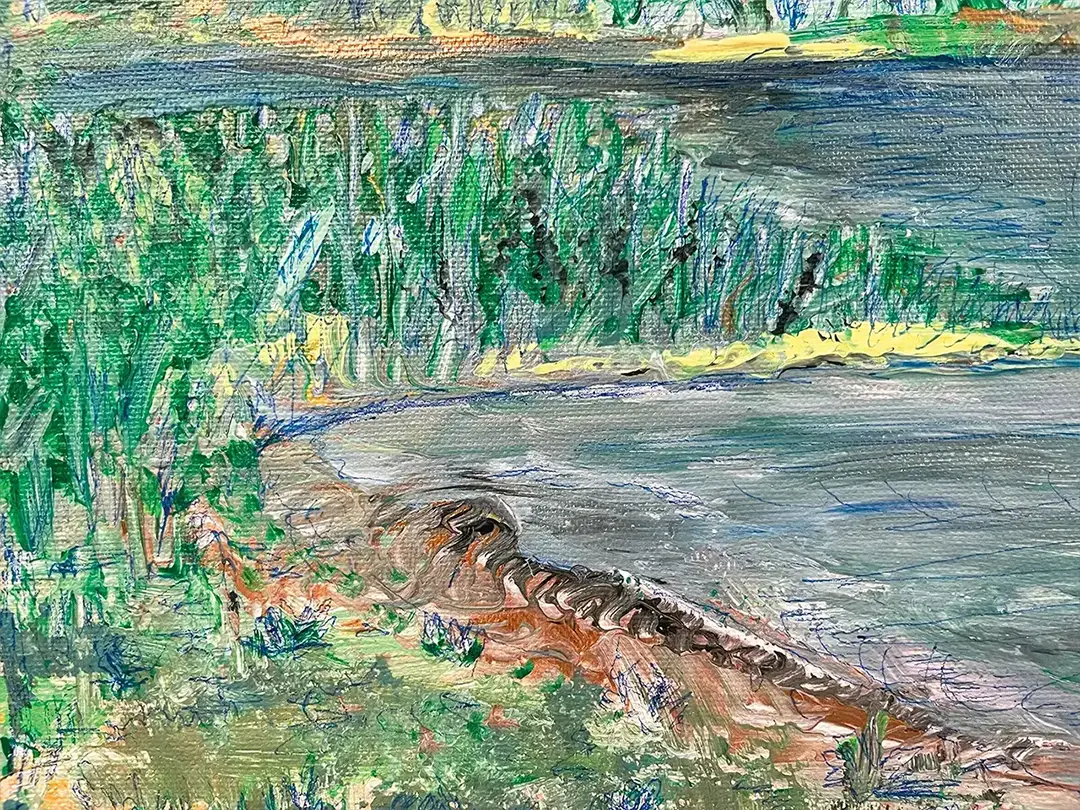
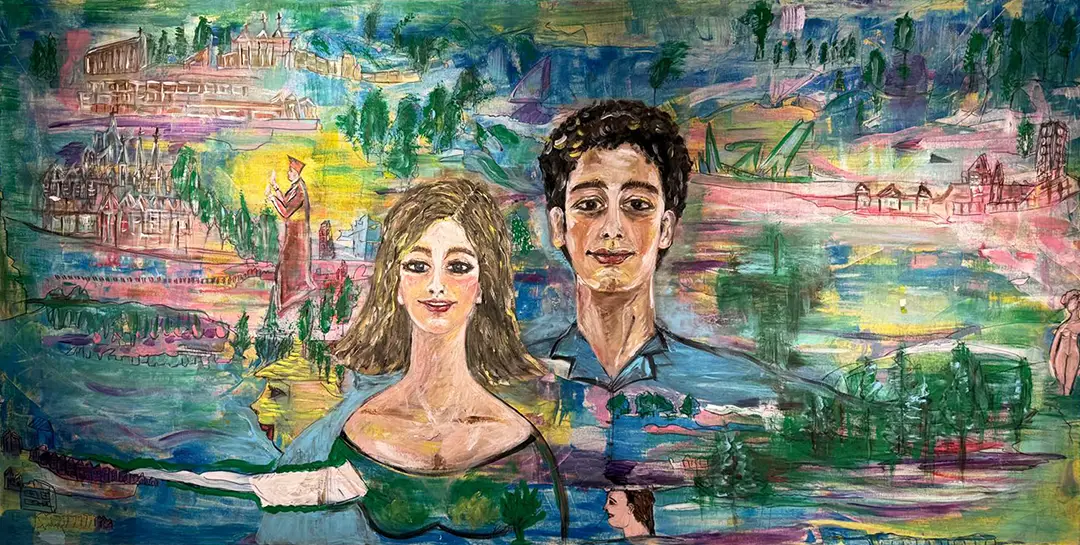
"The Meaning of Life in War and Peace" is a reflection on the human condition across two opposing yet interconnected states: conflict and harmony.
Through my paintings, I explore how the meaning of life changes - and, in some ways, remains constant - under these conditions. The exhibition invites visitors into an emotional and philosophical journey shaped by fundamental contrasts:
-
Destruction and creation.
-
Despair and hope.
-
Isolation and connection.
At its core, the exhibition asks a simple but profound question: What gives life meaning when everything is threatened - and when everything is possible? This exploration unfolds through seven interconnected themes.
Gallery